Call NowBook Visit
Patient GuideBack PainQueens Pain Clinic

10 Ways to Manage Back Pain

Back pain is one of the most common reasons people visit a doctor or miss work. It can be a dull ache or a sudden, sharp pain, and it can make standing, sitting or sleeping difficult.

The good news: most back pain improves with a combination of movement, healthy habits and, when needed, professional care. This guide covers practical ways to manage back pain at home and at work, when to get help, and how a pain clinic can support your care.

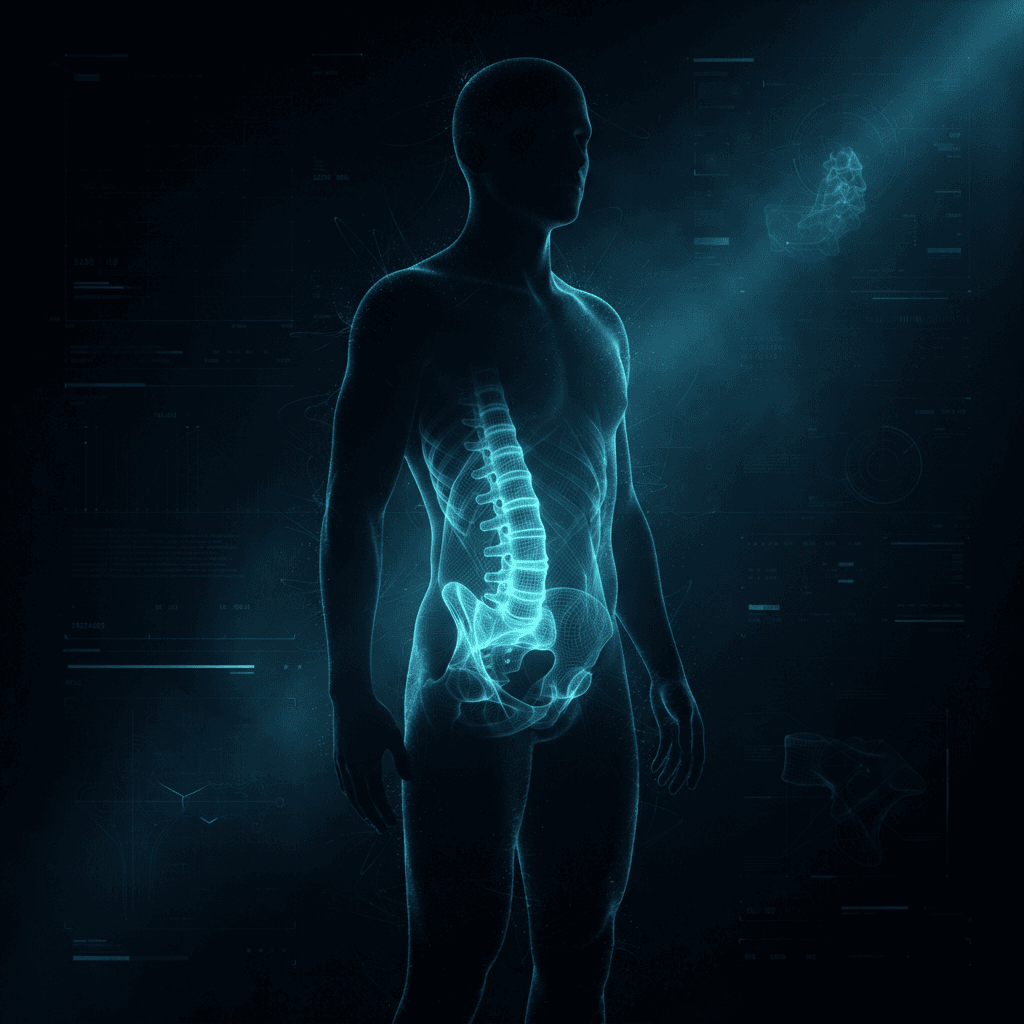
Holographic cyan lumbar spine with glowing vertebrae and discs inside a translucent human silhouette, with the lower back highlighted by a soft neon glow

Why Does Your Back Hurt?

Your spine is made of vertebrae cushioned by discs and supported by muscles, ligaments and tendons. Nerves run through and between these structures, so problems in the back can cause pain, tingling or weakness in the buttocks or legs.

Understanding why your back hurts makes the strategies below more effective. Small, consistent steps can make a real difference.

Common Causes

  • Muscle or ligament strain from lifting, twisting or sudden movements
  • Poor posture or long periods of sitting
  • Disc problems, such as a bulging or herniated disc
  • Arthritis and age-related changes in the spine
  • Inactivity and weak core muscles
  • Stress, poor sleep and lifestyle factors that increase tension and pain sensitivity

Acute Back Pain

Lasts a few days to a few weeks and frequently settles on its own with self-care.

Chronic Back Pain

Lasts 12 weeks or more and usually does best with a broader plan. The ten strategies can be mixed and matched for either type.

Move, Soothe and Strengthen

Strategies 1 – 4

01

Keep Moving

Long periods of inactivity can worsen stiffness and pain, weaken muscles, tighten joints and increase sensitivity to small movements. For most people with ordinary back pain, gentle activity speeds recovery.

Good movement options

  • Short walks several times a day
  • Easy swimming or water walking, which takes pressure off the spine
  • Light household tasks and gentle everyday movement
  • Stationary cycling at a comfortable pace

Start with five to ten minutes of activity and add a little more each day. Mild discomfort can be common, but sharp or worsening pain is a signal to ease off. Keep moving within a comfortable range rather than pushing through pain. A clinician can help set a safe starting point.

02

Use Heat and Cold

Cold can calm inflammation and numb sore areas and is often used in the first day or two after a sudden flare-up or injury. Heat from a heating pad, warm towel or hot shower relaxes tight muscles, boosts circulation and may help stiffness and ongoing aches.

Safe use

  • Use either heat or cold for about 15 to 20 minutes at a time
  • Place a cloth between the pack and skin to avoid burns or frostbite
  • Never fall asleep on a heating pad
  • Stop if the area becomes red, numb or more painful

Either may be tried; comfort is the best guide.

03

Stretch Gently

Tight muscles in the hips, hamstrings and lower back can pull on the spine and add to pain. Regular, gentle stretching helps restore flexibility and reduce tension.

Knee-to-chest

Lying on your back, gently draw one knee toward your chest and hold for 20 to 30 seconds, then switch sides.

Cat-cow

On hands and knees, slowly alternate between arching and rounding your back to mobilize the spine.

Hamstring stretch

Lying on your back, loop a towel around one foot and gently straighten the leg toward the ceiling.

Child's pose

Sit back toward your heels with your arms stretched forward to lengthen the lower back.

Move slowly, breathe steadily and never bounce. A stretch should feel like a mild pull, not pain. Stop and check with a healthcare provider if a stretch causes sharp pain, tingling or numbness. Aim to stretch most days; consistency matters more than intensity.

04

Strengthen Your Core and Glutes

The core includes deep abdominal muscles, muscles along the spine, hips and glutes. Together, they act like a natural brace, sharing the load so the spine does not carry it alone. Weak muscles can let everyday tasks overload the back.

Glute bridges

Lie on your back with knees bent, then lift your hips until your body forms a straight line from shoulders to knees.

Bird-dog

On hands and knees, extend one arm and the opposite leg while keeping your back steady.

Modified plank

Hold a forearm plank from your knees, building up to your toes as you get stronger.

Dead bug

Lying on your back, slowly lower opposite arm and leg while keeping your lower back gently pressed toward the floor.

Focus on slow, controlled movement and good form rather than the number of repetitions. Two to three sessions a week is a solid starting point. A physical therapist can tailor a routine to your pain level and goals so strength is built safely.

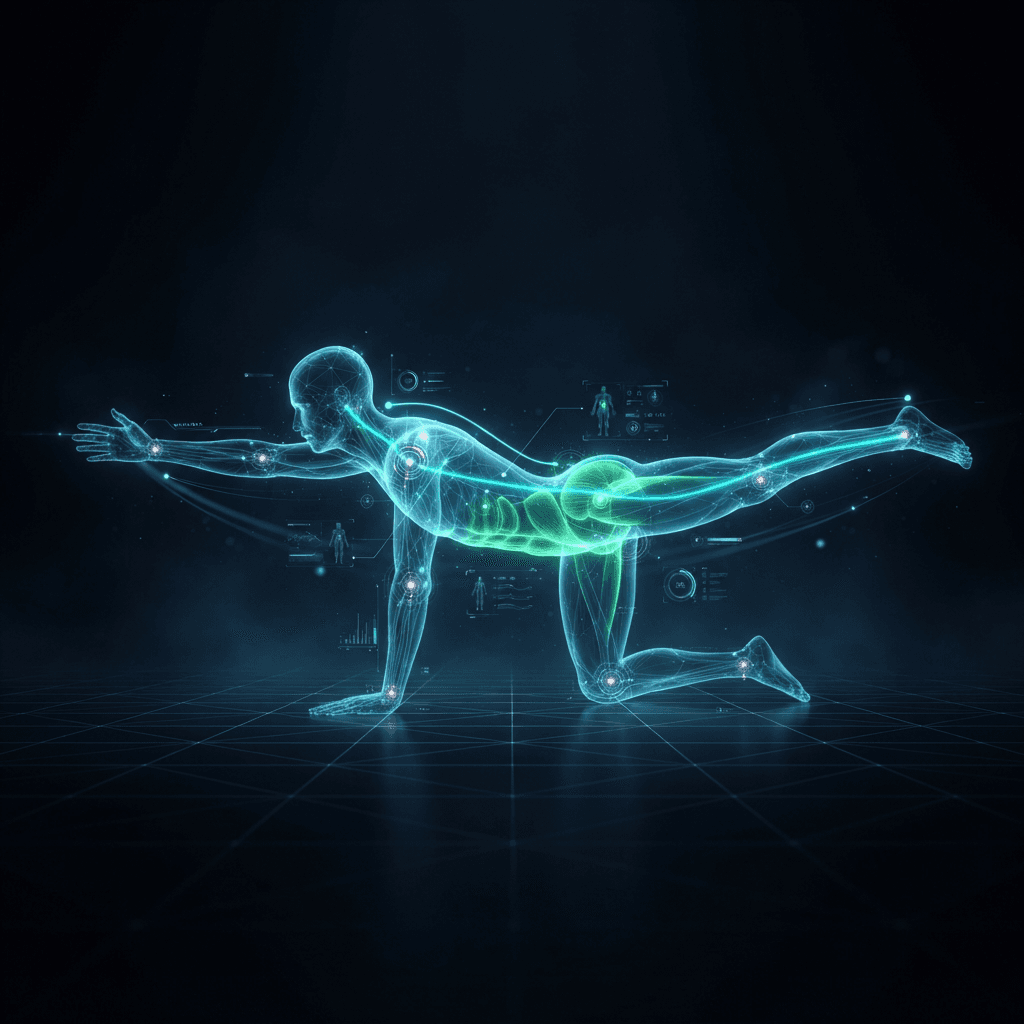
Translucent holographic figure in a bird-dog exercise pose with glowing neon green core and glute muscles and a cyan spine alignment line
Consistency Wins

Small, Steady Steps Add Up

Gentle movement, regular stretching and a stronger core work together to take pressure off the spine. You do not need an intense routine. Slow, controlled effort most days of the week is what builds lasting change.

If a movement causes sharp pain, tingling or numbness, stop and check with a healthcare provider.

Everyday Habits

Strategies 5 – 6

05

Improve Your Posture and Workspace

Long hours at a desk, on the couch or behind the wheel put steady strain on the lower back. The best posture is the one you change often.

When sitting

  • Keep your feet flat on the floor and your knees about level with your hips
  • Support the natural curve of your lower back with a small cushion or rolled towel
  • Place your screen at eye level so your neck stays neutral
  • Keep your keyboard and mouse close so you are not reaching

When standing

  • Distribute your weight evenly on both feet
  • Avoid locking your knees
  • Shift position regularly, and use a footrest if you stand for long periods

No posture is perfect for hours on end. Stand up, stretch and walk for a minute or two every 30 to 60 minutes. Setting a gentle timer can help.

06

Lift Smart

Many back injuries happen during ordinary tasks such as picking up groceries, a child or a heavy box. Using your legs and hips instead of your back lowers strain on the spine.

Before lifting

  • Size up the load, and ask for help or split it up if it is heavy or awkward
  • Clear your path so you do not trip

While lifting

  • Stand close with your feet about shoulder-width apart
  • Bend at the knees and hips, not the waist
  • Keep the load close to your body
  • Tighten your core and lift smoothly, without jerking
  • Turn with your feet, not by twisting your spine

The same principles apply when lowering something. At work, ask about equipment such as carts or lifting aids that can reduce the load.

Posture in Motion

The Best Posture Is the One You Change

A neutral spine, a screen at eye level and a quick movement break every 30 to 60 minutes protect your back through the workday. Smart lifting keeps ordinary tasks from becoming injuries.

Small workspace changes are often the easiest wins you can make.

Holographic seated figure at a minimalist desk with a glowing cyan S-curve spine overlay and a floating monitor at eye level with ergonomic angle guides
Rest, Relax and Recover

Strategies 7 – 9

07

Sleep in a Supportive Position

Pain and poor sleep can reinforce each other. Back pain makes it harder to rest, and a bad night can make pain feel stronger the next day. Changes to your sleep setup can help break the cycle.

Side sleepers

Place a pillow between your knees to keep your hips and spine aligned.

Back sleepers

Slide a pillow under your knees to ease pressure on the lower back.

Stomach sleepers

Stomach sleeping often strains the back and neck. If switching is not possible, try a thin pillow under the hips and little or none under the head.

A medium-firm mattress works well for many people, but comfort is personal; choose what lets you wake with the least stiffness and pain. A regular sleep schedule, limiting screens before bed and keeping the room cool and dark can help your body recover overnight.

08

Manage Stress

Stress does not cause every case of back pain, but it can make muscles tense and pain feel more intense. Pain can cause stress, and stress can amplify pain.

Ways to calm the body and mind

  • Deep breathing: slow, steady breaths signal your body to relax
  • Mindfulness or meditation: even five to ten minutes a day can change how you respond to pain
  • Gentle yoga or tai chi, which combine movement, breathing and focus
  • Regular breaks and enjoyable activities, including time with friends, hobbies and time outdoors

Maintaining a healthy weight reduces load on the spine, and avoiding smoking supports blood flow to the discs and tissues that heal. If worry, low mood or fear of movement is getting in the way, talk with your healthcare provider. Treating those factors is part of pain care.

09

Use Over-the-Counter Pain Relief Wisely

Over-the-counter medicines can ease pain enough to help you stay active and sleep better during a flare-up. Common choices include acetaminophen and nonsteroidal anti-inflammatory drugs (NSAIDs), such as ibuprofen or naproxen. Topical creams, gels and patches may also provide relief for some people.

Use them safely

  • Follow label directions and never exceed the recommended amount
  • Check with a doctor or pharmacist first if you have stomach, kidney, liver or heart conditions, are pregnant, or take other medications
  • Avoid combining products that contain the same ingredient
  • Use pain relievers as a short-term aid, not a long-term solution

Medication works best alongside movement, stretching and strengthening. Needing pain relievers for more than a couple of weeks is a reason to get your back evaluated.

When Self-Care Is Not Enough

Strategy 10

10

Get Professional Help

If pain lasts more than a few weeks, keeps coming back, wakes you at night, or limits work, sleep or enjoyable activities, see a professional. Getting help early can stop short-term pain from becoming a long-term problem.

A pain specialist can identify what is driving your pain through a careful history, physical exam and, when appropriate, imaging or other tests. Then they build a personalized plan, which may include:

Physical therapy and targeted exercise

To improve strength, mobility and movement habits.

Manual therapies

To relieve muscle tightness and joint stiffness.

Medication management

Tailored to your individual needs and health history.

Injections or nerve-focused treatments

For pain that does not respond to conservative care.

Education and lifestyle guidance

On pacing, ergonomics, sleep and stress.

The best plan is rarely one single treatment. It combines several approaches that fit your life and goals, and it is adjusted as you improve.

Emergency Care

When to Seek Urgent Medical Attention

Get urgent medical attention if back pain comes with any of the following:

  • Loss of bladder or bowel control
  • Numbness in the groin or inner thighs
  • Weakness or numbness spreading down one or both legs
  • Fever, or pain after a fall or injury
  • Unexplained weight loss

The Bottom Line

Back pain can feel discouraging, but it is rarely a life sentence. With steady movement, smart daily habits and the right support, most people find real relief and get back to the things they love.

Serving Queens, New York

Ready to Find Relief for Your Back Pain?

If back pain is affecting your sleep, your work or your daily life, the team at Queens Pain Clinic is here to help you find the cause and build a plan that fits you. Contact us today to schedule an evaluation.

9701 66th Ave, Rego Park, NY 11374

queenspainclinic.com/contact

Medical disclaimer: This article is for general information only and is not a substitute for professional medical advice, diagnosis or treatment.