Neck Pain Treatment
in Queens, NY
Neck pain usually comes from an irritated disc, worn facet joints, strained muscles or a pinched nerve, and most of it improves without surgery. At Queens Pain Clinic in Rego Park, we work out which one is causing yours, then treat that specific problem with image-guided injections, radiofrequency ablation and rehabilitation instead of just calming the symptoms.
Neck pain is pain, stiffness or limited movement anywhere in the cervical spine, the seven vertebrae between the base of your skull and your upper back. It usually comes from an irritated disc, worn facet joints, strained muscles or a pinched nerve. Most neck pain improves without surgery.
Call 1-877-97 NO PAIN or book online for a same-day evaluation. We are open Monday, Tuesday, Thursday and Friday from 9 am to 6 pm, and Sunday from 9 am to 3 pm.
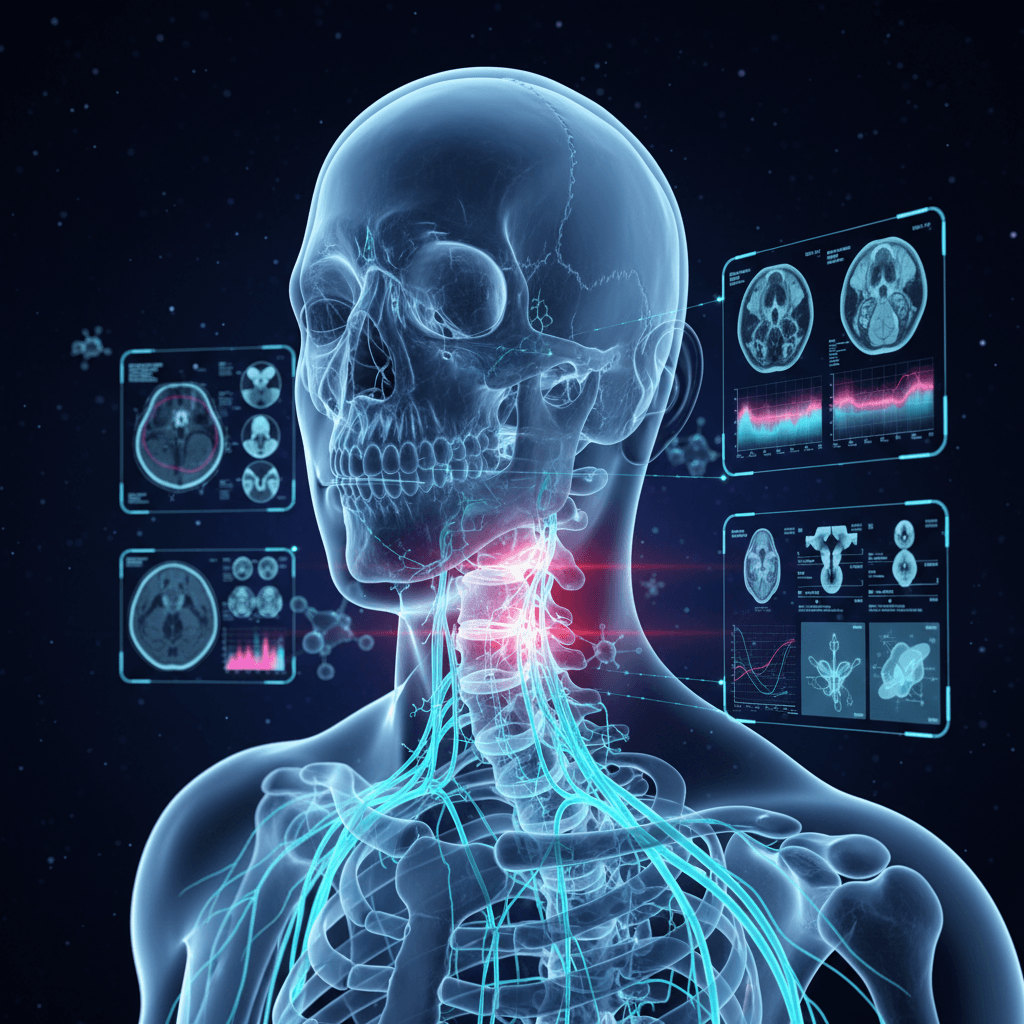
When neck pain is worth a specialist visit
A stiff neck after a bad night's sleep usually fades within days. It is time to get it looked at if any of the following sounds familiar:
Go to the emergency room if you have: weakness or numbness in both arms or in your legs, trouble controlling your bladder or bowels, fever together with a stiff neck, sudden severe pain after major trauma, or the worst headache of your life.
What usually causes neck pain
The neck does a lot. It holds up a head that weighs about 10 to 12 pounds and still has to turn, tilt and nod all day. Several different structures can break down or get irritated, and the right treatment depends on which one it is.
Discs
The discs between your vertebrae act as cushions. With age or repeated strain they can bulge or herniate, and the material that pushes out can press on a nearby nerve. This is a common source of pain that shoots down the arm.
Facet joints
These small paired joints at the back of the spine guide and limit your neck's movement. When their cartilage wears down, they become stiff and sore. The pain tends to sit on one or both sides of the neck, feels worse when you look up or turn, and can refer into the shoulder blade or the back of the head.
Nerve roots
Cervical radiculopathy is the medical term for a pinched or inflamed nerve root in the neck. Typical signs are burning or electric pain, numbness, tingling and sometimes weakness in one arm or hand.
Muscles and soft tissue
Long hours at a screen, sleeping in an awkward position or a sudden jolt can strain the muscles and ligaments around the spine. Whiplash from a rear-end collision is the best-known example, and trigger points (tight, tender knots in the muscle) often follow.
How we find the source of your pain
Your first visit starts with a conversation. We ask where the pain is, what makes it better or worse, and whether anything in your history, such as a recent accident, points to a cause. Then we examine your neck movement, strength, reflexes and sensation.
Imaging helps when it changes the plan. If you already have an MRI or X-ray, bring the report or the disc. If you don't, we will tell you whether one is worth getting. When facet joints are the suspect, a small diagnostic injection called a medial branch block can confirm it: if the pain drops sharply for a few hours, we know where to aim treatment.
Neck pain treatment options we offer
Treatment is rarely one thing. Most plans combine a procedure that lowers pain with rehabilitation that keeps it from returning. The options below are listed roughly from least to most involved, and many patients never need the later ones.
Cervical Epidural Steroid Injections
Using live X-ray (fluoroscopy) for guidance, we place anti-inflammatory medication near an irritated nerve root. The aim is to settle the inflammation enough for therapy to work. Response varies: some people feel relief for weeks, others for several months, and some get little. We will tell you what to expect before you decide.
Radiofrequency Ablation (RFA)
If diagnostic blocks show that facet joints are driving your pain, RFA uses heat to quiet the tiny nerves that carry pain signals from those joints. Relief commonly lasts from about six months to a year, and sometimes longer. The nerves can regrow, and the procedure can be repeated.
PRP (Platelet-Rich Plasma)
PRP uses a concentrate of your own blood platelets to support tissue healing. It is a newer option, and the research for neck conditions is still limited, so we discuss it candidly and only when it fits. Ask us about cost and coverage.
Cervical Facet Joint Injections
These target the joints themselves. They treat the pain and also tell us whether the facet joints are the source, which matters if radiofrequency ablation is the next step.
Physical Therapy & Rehabilitation
A therapist works on the deep neck muscles, posture and movement habits that load the spine. It is the foundation of almost every plan, and it makes the effects of injections last longer.
Trigger Point Injections
A small amount of anesthetic is placed in tight muscle knots to release them. They help with muscle-driven neck pain, tension in the upper trapezius and some headaches that start in the neck.
All injections are done with fluoroscopy or ultrasound guidance, and our approach is to avoid long-term opioids where a targeted procedure can do the job.
Benefits of Interventional Neck Pain Treatment
Response varies from person to person, and we tell you what to expect before you decide
We avoid long-term opioids where a targeted procedure can do the job
All injections are done with fluoroscopy or ultrasound guidance
Most plans combine a procedure that lowers pain with rehabilitation that keeps it from returning
Neck pain from a car accident or a work injury
Neck injuries are among the most common results of car crashes and workplace accidents, and symptoms sometimes appear a day or more later. We see patients with auto-injury and workers' compensation cases. Getting examined early gives you a clear record of what happened and starts the right treatment sooner. Call us to confirm how your insurance or claim works with our office.
Neck and cervical conditions we treat
Disc & Nerve
- Cervical disc herniation
- Degenerative disc disease
- Cervical radiculopathy (pinched nerve)
- Cervical spinal stenosis
Joint & Bone
- Cervical facet joint syndrome
- Cervical spondylosis (neck arthritis)
- Spondylolisthesis
- Bone spurs
Muscle & Soft Tissue
- Muscle strain
- Myofascial pain syndrome
- Whiplash
- Thoracic outlet syndrome
Headache & Referred Pain
- Cervicogenic headache
- Occipital neuralgia
- Upper trapezius pain
- Shoulder pain that starts in the neck
What to expect at your first visit
Bring photo ID, your insurance or claim details, a list of current medications, and any MRI, X-ray or earlier treatment records.
A conversation, a hands-on exam, and a plain-language explanation of what we think is going on.
A written plan with the next step, whether that is therapy, a procedure or more testing. If a same-day treatment makes sense, we can often start it.
More detail is on our Your First Visit page.
Visit our Rego Park office
Queens Pain Clinic has served Queens patients since 2004. We see people from Rego Park, Forest Hills, Elmhurst, Kew Gardens, Middle Village and nearby neighborhoods.
9701 66th Ave, Rego Park, NY 11374
1-877-97 NO PAIN
Mon, Tue, Thu, Fri: 9 am to 6 pm
Sun: 9 am to 3 pm
Wed and Sat: closed
Neck Pain FAQ
Ready to deal with your neck pain?
Call 1-877-97 NO PAIN or request an appointment online. Same-day evaluations are often available.
Schedule ConsultationThis page is for general information and is not medical advice. Results vary from person to person. Talk with a qualified physician before starting any treatment.